Mindful Habits
What fatherhood quietly did to my brain
Becoming a father changes your hormones and your brain, not just your schedule. What the research says about the retuning, why caregiving may age the brain more gently, and what
Becoming a father changes your hormones and your brain, not just your schedule. What the research says about the retuning, why caregiving may age the brain more gently, and what
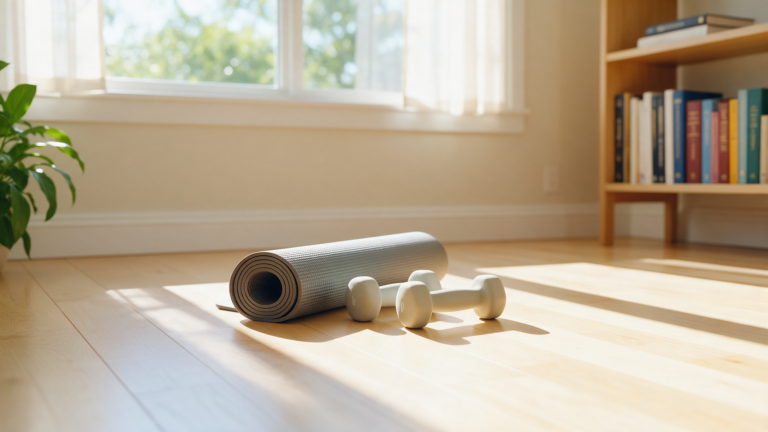
Harvard followed nearly 147,000 adults for up to thirty years. Any amount of resistance training beat none, and the sweet spot was about 90 minutes a week. The habit matters
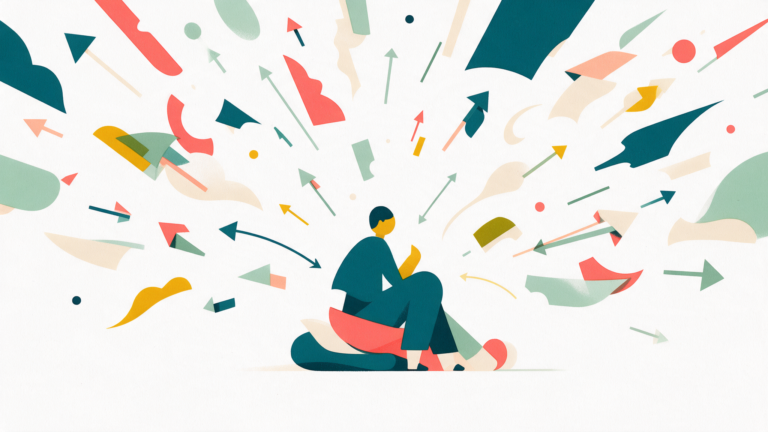
I sat for 45 minutes and watched my mind try to be somewhere else dozens of times. On the either-or trap of optimizing versus wasting time, and why the practice

The SMILES trial randomized 67 adults with moderate to severe depression to a dietary change or social support. About a third of the food group reached remission. Why nourishment is
Phase 2 trial participants on the highest dose lost about a quarter of their body weight, and Phase 3 went higher still. But one in six stopped taking it. Powerful
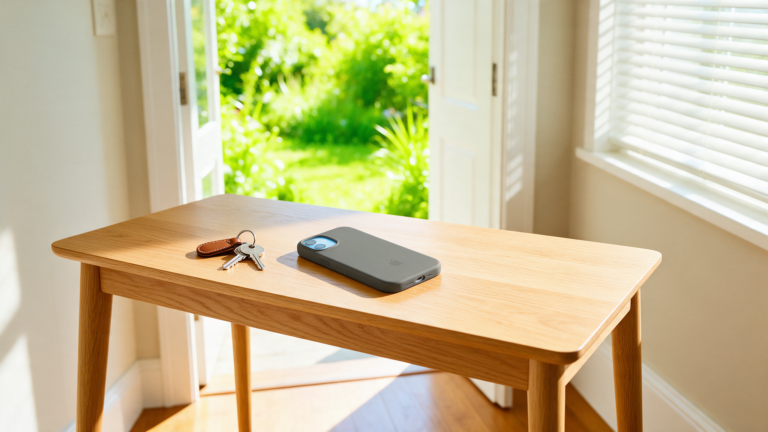
A patient started leaving her phone at home on walks, and said her mind felt unburdened. Research suggests a phone in your pocket costs you focus even when it is

I am putting a decision in writing so I actually follow through. After years of hospital night shifts, I am titrating down and eventually stopping, and here is the thinking

Mothers tend to put themselves last, and then last again, until last begins to feel normal. Why self-care is not a luxury in that picture but the thing that makes

The evidence for cold plunging is more modest than the claims. But a practice does not have to do what its loudest advocates say in order to be useful, and
Cardiovascular disease, neurodegeneration and cancer may share one underlying mechanism: a dysregulated immune system and chronic inflammation. What that convergence means for how we practice.