One of the things I believe most stubbornly is that wellness was never meant to be this hard.
So much of how we coach people comes back to a single idea: less perfectionism, more ease. Movement does not have to hurt to count. And nowhere do I see that belief tested more than with exercise.
How much strength training do I really need?
Less than most people assume. In a Harvard study following almost 147,000 nurses and health professionals for up to thirty years, any amount of resistance training was linked to living longer than none at all. Even a few minutes a week beat zero, including for people already walking or running regularly.
Somewhere along the way, most of us were taught that a workout only counts if it leaves us sore, sweaty and a little wrecked.
I feel it too. But the evidence keeps pointing the other way.
Every couple of years, participants simply reported how much strength training they were doing. Then researchers tracked, over decades, who stayed healthiest and lived longest. It is observational, so it cannot prove cause and effect, but it is about as large and long a look as we get.
Is there a point where more lifting stops helping?
There is. About 90 minutes to two hours a week was tied to the biggest payoff: roughly a 13 percent lower risk of dying from any cause, with even larger drops for heart and neurological disease. Past about two hours, all that extra effort did not buy any more years.
Not two hours a day. Not a punishing program. A sweet spot that most people could reach in three short sessions.
That finding should take pressure off rather than add it.
What if the amount I can manage feels too small to matter?
In the beginning, the habit is always more important than the muscle. What seems to protect your years is not the heroic session. It is the small thing you keep coming back to, and returning goes a long way toward a longer life. Start small and start slow.
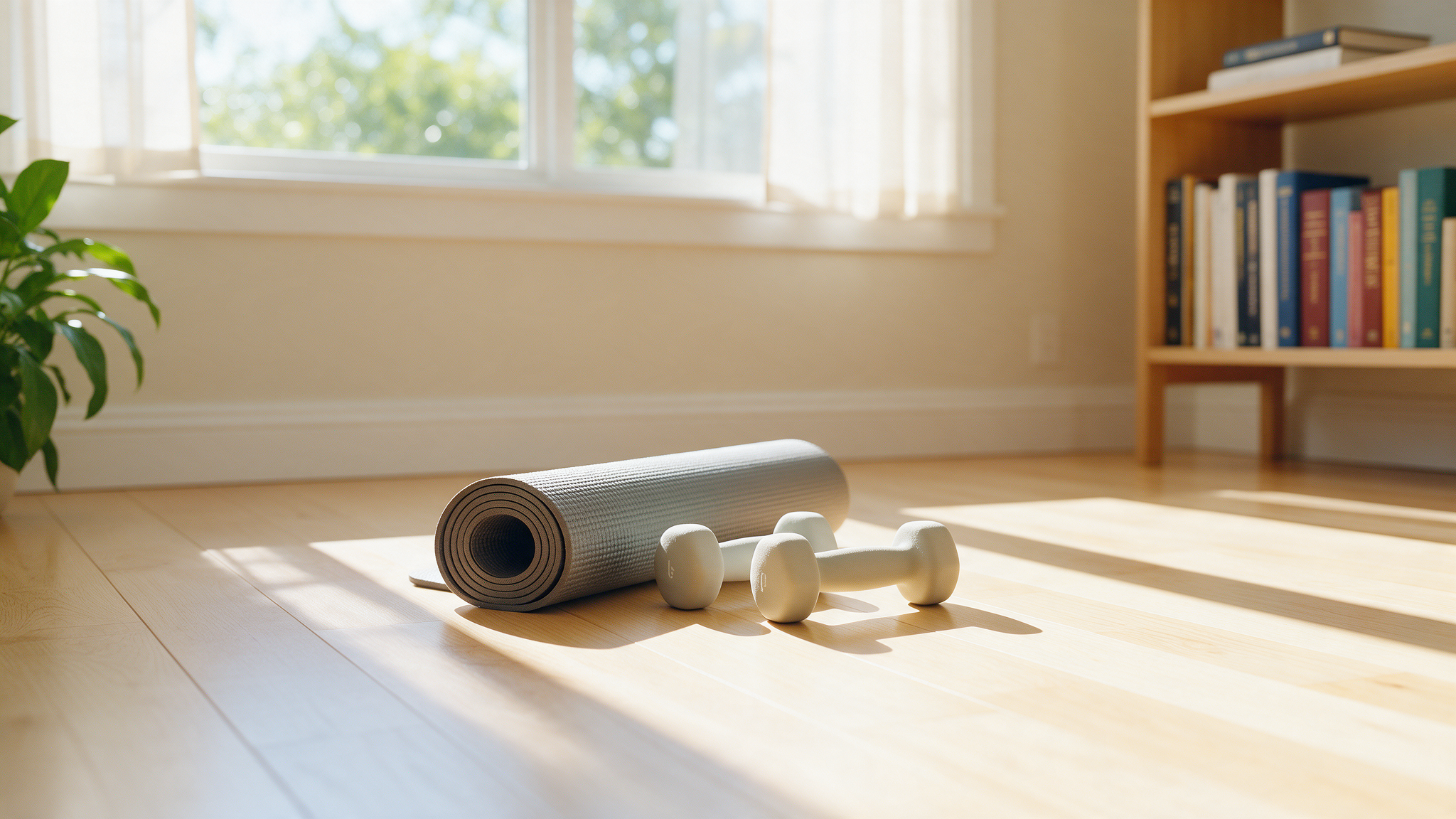
A few squats by the kitchen counter. A set of push-ups against the wall. A few minutes with light weights while the coffee brews.
The hard part usually is not the movement. It is making peace with how small it feels at first.
The restless, default part of our mind, the one always narrating, will pipe up: that is nothing, you did not really do anything, that is not enough.
You do not have to argue with that voice. Do what we always practice. Notice the thought, give it room, let it be there without obeying it.
And then, with a little kindness toward yourself, offer a gentler line back. Any amount helps. This is enough for right now.
Because it is. For once, the science and the self-compassion are saying exactly the same thing.
So my small invitation: pick one tiny bit of movement and do it once, imperfectly, with no plan to be impressed. Then do it again tomorrow. That is the whole practice. Not the muscle, the returning.