I read a study this week that I cannot stop thinking about, and the strange thing is that on the surface it sounds almost too obvious to mention.
It is the kind of finding that sits right at the seam between the coaching side of what we do and the medical side, and it has changed how I talk to patients about food.
Can changing what I eat actually help with depression?
The SMILES trial suggests it can help. In 2017, a team at Deakin University’s Food and Mood Centre randomized 67 adults with moderate to severe depression either to dietary support or to social support over twelve weeks. The eating group improved markedly more, with about a third reaching remission.
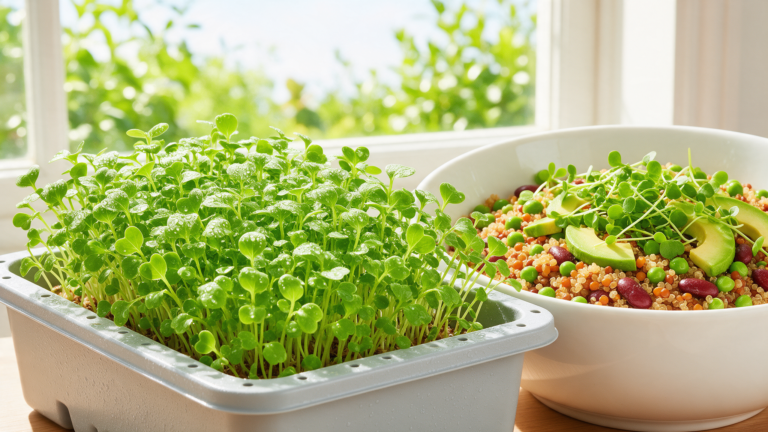
Half met with a dietitian and shifted toward a simple, whole-food Mediterranean way of eating. More vegetables, fish, olive oil, nuts, legumes and whole grains, less of the processed stuff.
The other half received warm social support on the same schedule.
By the end, roughly a third of the food group had their depression genuinely lift, compared with less than one in ten of the other group. And most of these people were already in therapy or on medication. The food was added on top of good care, and it still moved the needle.
Why is a finding this obvious actually radical?
Because so rarely does our care for mental health touch these parts of life at all. The claim underneath the trial is that your body is an ecosystem, and a huge part of that ecosystem is how you nourish it. Food, sleep and movement do not just keep the body running. They shape mood.
Part of my mind wants to say, well, of course. Of course what we eat affects how we feel.
And another part is quietly skeptical, the way most of us are about anything that sounds too simple. Both reactions are fair. Sit with it anyway.
Should I wait until I feel better to work on food and sleep?
Most of us carry that assumption: first I will feel better, then I will get around to the eating and the sleep and the walking. That is true as far as it goes, but this trial is a reminder that it runs the other way too. Tend to the nourishment, and the mood can follow.
None of this is a reason to trade your therapist or your medication for a grocery list. It is not either-or. It is and.
What it does tell me, for my patients and honestly for myself, is that making good food and movement easy instead of hard, fitting them gently into a real and busy life, is not a nice-to-have.
It may be one of the most essential things we can do to help with the anxiety and the low moods that so many of us carry from time to time.
So my small invitation: pick one nourishing thing and make it the easy choice. Put the fruit where you will see it. Add the fish on Thursday. Take the ten-minute walk before the day swallows it.
Not as one more thing to fix about yourself, but as a quiet act of care for the whole ecosystem that is you.