
I came across a New York Times article this week that felt worth slowing down for, especially given how noisy the longevity space has become.
The headline alone says a lot: you do not need a $40,000 gym membership to live a longer, healthier life. It walks through what the science actually supports, and what it very clearly does not, which is more or less the argument behind how we built our own approach.
Do expensive longevity treatments work?
The experts quoted were remarkably consistent that they do not, at least not compared with the basics. Despite the explosion of longevity clinics, full-body scans, genome sequencing, supplement stacks, plasma exchanges, wearables and biohacks, the most effective drivers of a longer, healthier life are simple lifestyle behaviors, and nothing else comes close.
Not experimental therapies. Not influencer-backed protocols. Not devices or tests that promise insight without evidence.
What does the evidence actually support?
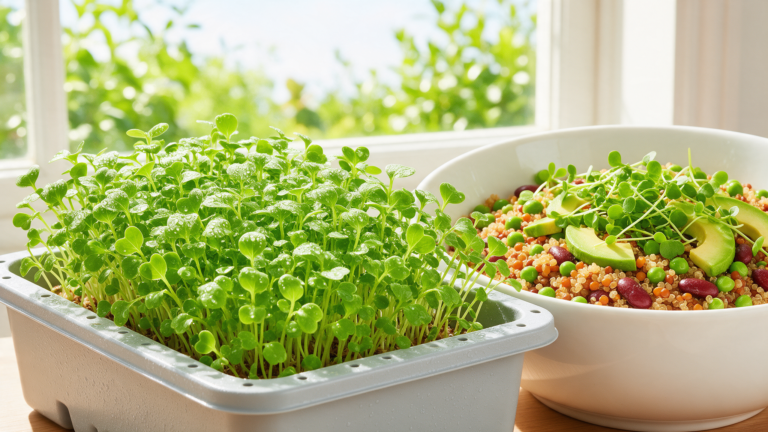
A small and unglamorous set of fundamentals. Regular physical activity, both cardio and strength training, done anywhere at any level. How much and what we eat, prioritizing unprocessed whole foods over supplements. Sleep, around seven hours, consistently. And stress, mood and social connection.
None of it requires a tracker or an expensive lab panel. Reducing loneliness, cultivating optimism and protecting mental health belong on that list alongside the physical ones.
One expert put it simply: if your goal is to live longer and better, you are better off doing what science and history have already confirmed.
That framing resonated with me, because it mirrors how we think about care. Our approach is not built around extremes, hacks or perfection. It is built around how much we eat, what we eat, sleep, stress and physical activity.
Not because those are trendy, but because they are durable. They have the deepest evidence base, the widest impact, and the greatest ability to improve not just lifespan but healthspan.
Do I have to do all of it right?
No, and the article gets this right too. None of this requires doing everything perfectly. It requires attention, patience and support, especially during seasons when life is busy, routines are disrupted and motivation is inconsistent.
The last week of the year is a strange one. It is not the time for overhauls or grand plans. But it is a good moment to step back and remember that the path to better health is rarely found in the most expensive or extreme option.
More often it is found in returning, imperfectly, to the basics. Longevity is not something you buy. It is something you practice, quietly, over time.