
I have written before about fear, and about how the anxious mind is not broken. It is just running outdated software.
The amygdala, the brain’s threat-detection center, fires the same alarm whether the danger is real or imagined. For many of us that alarm runs quietly in the background, shaping choices in ways we do not always notice. It is one of the reasons stress sits alongside sleep and nutrition in how we think about health.
What I did not address, and what I have been sitting with since, is the practical question underneath all of it.
How do I calm a nervous system that is already activated?
Through the body rather than the mind. Insight is one thing, but once a stress response is in motion, reasoning with it rarely works. Slow, deliberate breathing changes the body’s state directly, which is why it can shift things when reflection alone cannot.
I have spent a lot of my personal practice in the space of reflection. Understanding my own patterns. Building self-compassion. Slowing down the interpretive loop.
That work has meant a great deal to me. But if I am honest, I have given less attention to the direct, physiological tools that can shift the body’s state before the mind even gets involved.
What happens in my body during a stress response?
When the amygdala triggers a stress response, it activates the sympathetic nervous system, the part responsible for fight, flight or freeze. Heart rate rises. Breathing becomes shallow. The prefrontal cortex, responsible for clear thinking and deliberate choice, gets pushed to the background.
Most of us are running this system when we do not need to.
And the faster we can shift out of it, the more access we have to ourselves. Our clarity, our patience, our capacity to respond rather than react.
Why does slow breathing work?
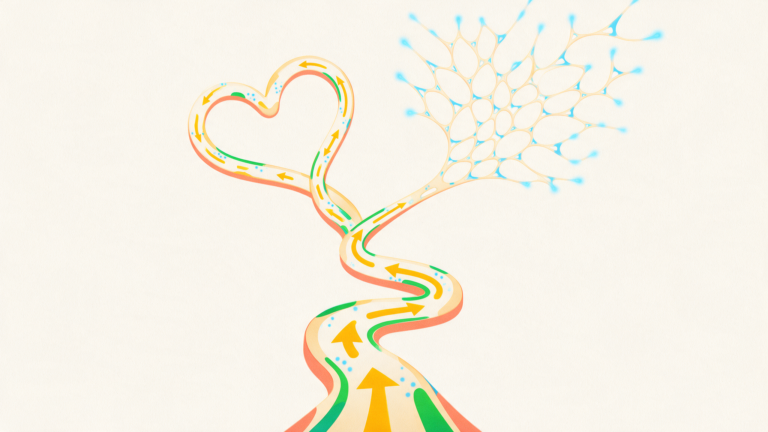
Because it activates the parasympathetic nervous system by stimulating the vagus nerve. That sends a signal to the body that the threat has passed, and the physiology follows. No mountain required. No perfect conditions. Just breath, which you already have.
This is not a belief system. It is physiology, and it is one of the most direct levers we have.
If you have been doing the inner work, building awareness, practicing self-compassion, trying to shift long-standing patterns, and something still feels stuck, this might be worth exploring.
Not instead of the reflection. Alongside it.