I was recently reading a New York Times article about a nutrition approach called the Portfolio Diet, and it made me smile, because this is a strategy I recommend to patients all the time.
Not because it is trendy or extreme, but because it is one of the most evidence-based, sustainable ways we know to lower cholesterol, and it pairs naturally with the coaching side of what we do.
What is the Portfolio Diet?
A plant-forward eating pattern that combines several foods known to lower LDL cholesterol. It was developed by Dr. David Jenkins at the University of Toronto, who compares healthy eating to smart investing: rather than putting everything into one stock, you build a diversified portfolio.
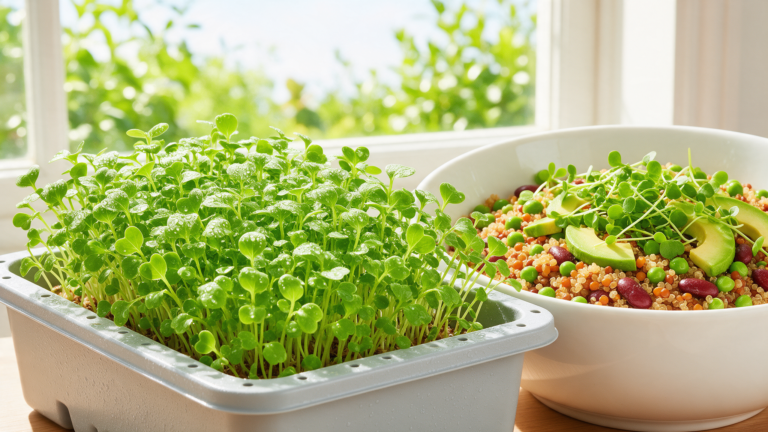
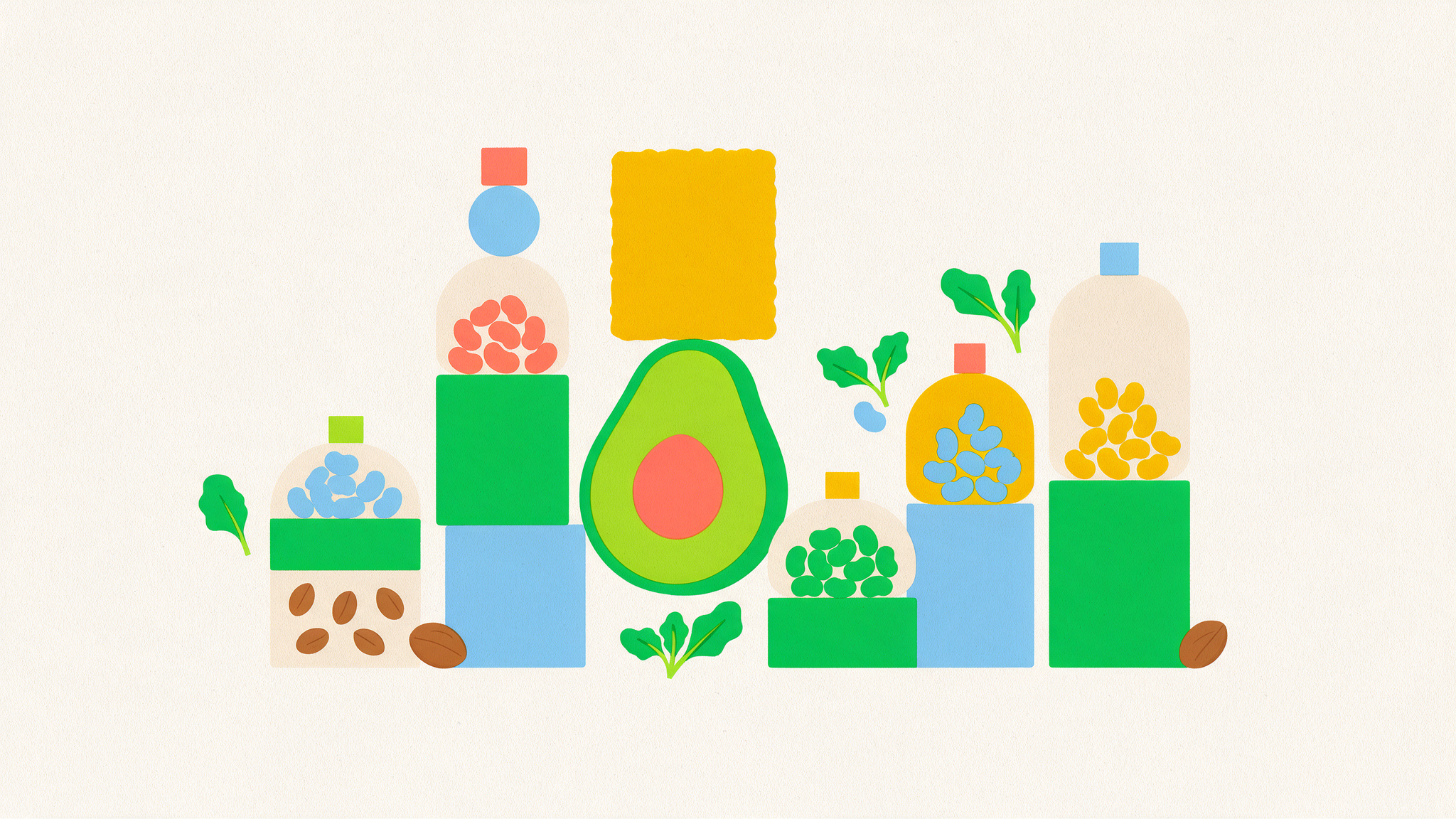
It shares similarities with the Mediterranean diet, but it is especially focused on heart health. The key components are plant proteins like beans, lentils, tofu, tempeh and soy milk; nuts and seeds such as walnuts, almonds, chia and flax.
Healthy fats, especially extra virgin olive oil, avocados and canola oil. Fruits and vegetables, eaten generously. And viscous, gel-forming fiber found in oats, barley, okra, eggplant, psyllium and chia.
Rather than relying on one superfood, the diet works by layering these cholesterol-lowering foods together.
Why does it lower cholesterol?
Several natural mechanisms work at once. Viscous fiber forms a gel in the gut that binds cholesterol and reduces absorption. Plant sterols compete with cholesterol during digestion. Monounsaturated fats lower LDL when they replace saturated fats.
At the same time, the pattern limits foods high in saturated fat, such as butter, red meat and processed meats, which are known to raise LDL and cardiovascular risk.
How strong is the evidence?
Strong enough that I recommend it regularly. Early clinical trials showed it could lower LDL by nearly 30 percent, approaching the effect of statin medications in some people. A 2023 study followed over 200,000 health professionals for up to 30 years.
Those who followed the pattern most closely had a 14 percent lower risk of cardiovascular disease, including heart attack and stroke.
This does not mean diet replaces medication for everyone. It does mean nutrition can be a powerful partner to it.
Do I have to follow it perfectly?
No, and that is one of its biggest strengths. You do not need to measure grams or track everything to see benefits, because even partial adoption helps. Half an avocado covers much of the healthy fat goal. A bowl with broccoli, sweet potato and brown rice delivers a large portion of daily fiber.
Swapping animal protein for plant protein a few times a week can meaningfully lower LDL.
This is exactly why I recommend it so often. It is flexible, practical and sustainable, and it supports heart health without extreme restriction.
If cholesterol, cardiovascular risk or overall metabolic health is something you are working on, this is a powerful place to start.