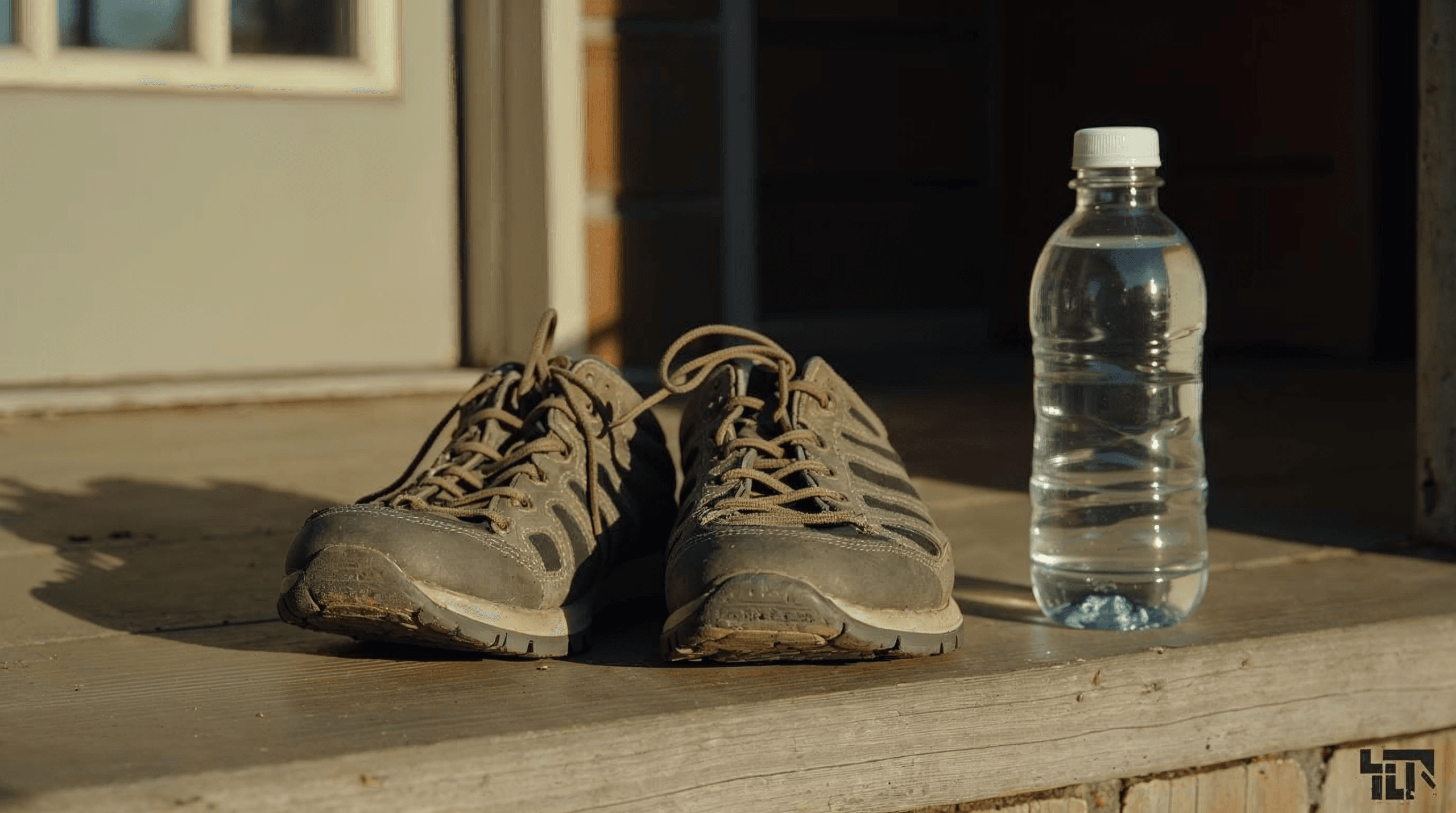
I read an article recently about physical activity in people living with cancer or recovering from treatment, and it stopped me the way these pieces always do. Not because the finding was surprising. Because of how long we have treated something this important as optional.
The pattern in the research, across a growing number of studies in people with cancer, is consistent: those who are physically active during or after treatment tend to do better. Lower rates of recurrence. Better survival outcomes. This holds up most clearly in people with early-stage disease and in survivorship, in cancers like breast, colon, prostate, and lung, where the data is strongest and most consistent. In advanced or metastatic disease, the picture is murkier. The observational data still shows a benefit, but the randomized trials in that specific population have not shown the same clear signal. I want to say that plainly rather than round it up into something tidier than it is. The honest answer is that exercise helps most clearly where we have looked hardest, and we have not finished looking everywhere.
But here is what struck me more than the outcomes data. The article spent real time on support. Not as an aside, not as a nice sentiment at the end, but as part of the mechanism. People moved more, and recovered better, when someone was walking the process with them. A program. A partner. A check-in. Something external that made the activity happen on the days motivation did not show up on its own.
That detail matters to me because it describes almost everyone I see in clinic, cancer or no cancer at all.
Why I stopped calling this a lifestyle choice
I used to talk about exercise the way most of medicine does, as one of several healthy habits, filed somewhere between flossing and drinking more water. Good for you. Worth doing if you have the time and the energy and the week cooperates.
I do not think that anymore. The evidence across disease states, including serious ones, keeps pointing in the same direction: this is not a wellness extra. It is closer to a vital sign we can act on. When someone’s body is under the kind of stress that cancer and its treatment put it under, movement is doing real physiological work, on muscle mass, on inflammation, on recovery capacity, on the systems that determine how well a person tolerates what is being asked of them.
So I have started saying it more bluntly than I used to, because I think softer language has let too many people, myself included at times, file this under optional. It is not optional. It is something we have to figure out how to do, the same way we figure out how to take a medication that matters, even on the days we would rather not.
Prioritization is the actual medicine
Here is the part I think gets skipped. Nobody struggles to understand that movement is good for them. Where it falls apart is prioritization, and prioritization is hard precisely because the things competing for that time are not frivolous. Your job matters. Your kids matter. The person who needs you matters. Nobody is choosing a walk over their family because they do not care.
What I say to patients, and what I have had to say to myself more than once, is this: you cannot take care of the world from an empty tank. Taking care of yourself is not in competition with taking care of the people who depend on you. It is the thing that makes the rest of it sustainable. I know how that sounds when you are exhausted and it is 9pm and the idea of adding one more obligation feels impossible. I am not asking you to add an obligation. I am asking you to move something that is already essential higher on the list than where cultural habit usually puts it.
The thing I have noticed, in my own life and in the people I work with, is that once the decision is actually made, once it moves from someday to this is happening, the schedule tends to reorganize around it in ways that felt impossible when it was still optional. Not easily. Not without friction. But it finds room, because the people and obligations around us are usually more flexible than our excuses give them credit for.
Starting slow is not a lesser version of this
I want to be specific here because vague encouragement is not useful. Starting slow does not mean starting small in importance. It means starting at a dose your body and your week can actually absorb. Ten minutes. A walk to the end of the block and back. Standing up and moving through the house during a phone call instead of sitting through it. For someone recovering from treatment, that might be the entire session, and that is the correct amount, not a failure to do more.
The mistake I see most often is treating a hard week, a missed week, a relapse into stillness, as evidence that the plan did not work. It is not evidence of that. It is just what happens in a human life. The failure is never the patient. The only real failure is deciding that one missed week means the whole thing is off, because that is the belief that actually stops people, not the missed week itself.
And the support piece from that article stays with me because it applies whether or not cancer is part of the picture. Figuring this out alone is harder than figuring it out with someone else in the loop, whether that is a clinician, a friend who checks in, or a group that expects you to show up. None of us are quite as consistent in isolation as we are when something outside ourselves is also counting on it.
I still bring my own questions to this, about how to prioritize well without turning it into one more thing to feel behind on. I do not have it solved. But I have stopped treating it as optional, and that alone has changed how the rest of the week arranges itself.