Table of Contents
- Introduction
- Summary
- The Best Diets for Quick and Effective Weight Loss
- Smart Nutrition: Eating Healthy While Losing Weight
- The Best Foods for Weight Loss (According to Experts)
- Targeting Belly Fat Diets and Strategies That Work
- Custom Diet Plans for Men and Women
- 7-Day Weight Loss Meal Plans (Including 1200-Calorie Plan)
- Proven Weight Loss Rules and Modern Hacks
- Foods and Habits to Avoid
- Building Your Long-Term Weight Loss Strategy
- Conclusion
- FAQs
Introduction
Embarking on a journey to lose weight fast often begins with understanding the fundamental science behind it. At its core, weight loss boils down to a simple principle: consuming fewer calories than your body expends, creating a calorie deficit. Your body’s metabolism plays a crucial role here, as it’s the process by which your body converts food and drinks into energy. A higher metabolic rate means your body burns more calories, even at rest. This deficit forces your body to tap into stored energy reserves, primarily fat, through a process known as fat oxidation. For an in-depth look into creating a calorie deficit for weight loss
Many seek rapid weight loss, driven by a desire for quick results. While certain approaches can lead to losing weight fast, it’s essential to differentiate between quick fixes and sustainable weight loss. Crash dieting or extreme calorie restriction might show immediate numbers on the scale, but they often lead to muscle loss, nutrient deficiencies, and rebound weight gain. Sustainable weight loss, conversely, focuses on gradual, consistent progress, prioritizing overall health and long-term well-being. This approach often involves adopting a healthy eating for weight loss plan and integrating regular physical activity into your routine.
Both nutrition and exercise are indispensable components of any effective diet for weight loss and fat burning. Proper nutrition provides the necessary fuel while creating the desired calorie deficit, emphasizing whole, unprocessed foods. Exercise, on the other hand, boosts your metabolism, builds muscle mass (which further aids in calorie burning), and improves cardiovascular health. For more guidance on integrating balanced nutrition and physical activity into your lifestyle,
Summary
The journey to effective weight loss is a multifaceted endeavor, but it hinges on a core principle: calorie deficit + nutrition + consistency. To lose weight fast and safely, you must consistently consume fewer calories than your body burns, fueling your body with nutrient-dense foods that support your metabolism and overall health. This comprehensive guide has explored the best diet for weight loss strategies, emphasizing that sustainable habits are the true drivers of lasting results.
We’ve delved into various effective diet for weight loss approaches, including Keto, Intermittent Fasting, and Low-Carb diets, highlighting their scientific backing and potential. The importance of smart nutrition, focusing on protein, fiber, and healthy fats, alongside hydration, has been stressed. We identified the best foods to lose weight, from high-protein staples like eggs and lentils to superfoods such as chia seeds and berries, all contributing to effective fat-burning.
For those targeting specific areas, we outlined diets and strategies to burn belly fat, combining specific food recommendations with core-strengthening exercises. Custom diet plans for men and women acknowledged differing caloric and macronutrient needs, while our 7-day weight loss meal plan provided practical, easy-to-follow menus, including adjustments for a 1200 calorie diet plan.
Modern hacks like the 30/30/30 rule for weight loss and the 3-ingredient coffee hack were presented as supplementary tools, alongside a critical look at foods and habits to avoid, such as processed sugars and emotional eating. Ultimately, the emphasis is on the importance of overall health, not just numbers on a scale. Sustainable habits, integrating balanced eating, consistent fitness, adequate rest, and mental wellness, are what produce enduring transformation and well-being.
The Best Diets for Quick and Effective Weight Loss
When it comes to selecting the best diet for weight loss, the options can seem overwhelming. However, several scientifically-backed eating plans have proven effective for those aiming to lose weight fast and sustainably. These diets not only help in shedding pounds but also often come with a host of other health benefits, moving beyond mere calorie restriction to emphasize nutrient-dense foods and improved dietary habits.
Let’s explore some of the top contenders that offer a pathway to rapid weight loss diet results while promoting a healthy approach. These popular strategies focus on optimizing your metabolism and fat-burning potential without resorting to unhealthy crash dieting. Understanding their scientific backing and how they contribute to fat loss is crucial for making an informed choice that aligns with your health goals. Learn more about our personalized Weight Loss Programs for sustainable results
Popular Weight Loss Diets That Deliver Results
Several popular weight loss diets consistently deliver results by addressing different aspects of metabolism, satiety, and calorie control. These include ketogenic (Keto) diets, Intermittent Fasting, Low-Carb diets, and the Mediterranean diet. Each has its unique approach, offering varying degrees of flexibility and different mechanisms for achieving weight loss.
- Keto Diet: This very low-carb, high-fat diet forces your body into a metabolic state called ketosis, where it burns fat for fuel instead of carbohydrates. It’s highly effective for fast weight loss and can lead to significant reductions in body fat. However, it requires strict adherence to macronutrient ratios.
- Intermittent Fasting (IF): IF focuses on when you eat rather than what you eat, cycling between periods of eating and fasting. Common methods include 16/8 (fasting for 16 hours, eating within an 8-hour window) or 5:2 (eating normally for five days, restricting calories on two non-consecutive days). IF aids weight loss by improving insulin sensitivity and promoting fat burning.
- Low-Carb Diets: Similar to Keto but less restrictive, low-carb diets reduce carbohydrate intake, which helps stabilize blood sugar, reduce appetite, and promote fat loss. They are excellent for those looking for an effective diet for weight loss without the strictness of ketosis.
- Mediterranean Diet: While not primarily a rapid weight loss diet, the Mediterranean diet is renowned for its long-term health benefits and sustainable weight management. It emphasizes whole grains, fruits, vegetables, legumes, nuts, seeds, olive oil, and lean proteins like fish and poultry. Its focus on nutrient-rich, unprocessed foods naturally supports healthy eating for weight loss.
When considering these effective diet strategies for fat loss, it’s vital to prioritize safe, healthy weight loss over crash dieting. Crash diets often involve extreme calorie deprivation, which can slow your metabolism, lead to muscle loss, and be difficult to maintain, ultimately hindering your long-term success. Sustainable approaches, like those mentioned, focus on creating habits that can be maintained indefinitely. Read peer-reviewed research on optimal diet strategies for weight loss and long-term weight maintenance.

Smart Nutrition: Eating Healthy While Losing Weight
Achieving your weight loss goals isn’t just about restricting calories; it’s about making smart nutritional choices that nourish your body while still promoting fat burning. This section focuses on developing healthy eating for weight loss strategies that are sustainable and effective. It’s a critical component of any successful plan, whether you’re aiming for rapid weight loss or a more gradual transformation.
Portion control and mindful eating practices are foundational to smart nutrition. Mindful eating encourages you to pay attention to your body’s hunger and fullness cues, eat slowly, and savor your food. This can prevent overeating and help you recognize true hunger versus emotional or habitual eating. Learning to control portion sizes, even of healthy foods, is essential for maintaining the calorie deficit needed for the best diet for weight loss.
Balancing macronutrients, protein, fiber, and healthy fats, is another cornerstone of smart nutrition.
- Protein: A high protein intake is crucial for weight loss. Protein promotes satiety, helping you feel fuller for longer, thus reducing overall calorie intake. It also helps preserve muscle mass during weight loss, which is vital for maintaining a healthy metabolism. Look for lean protein sources like chicken, fish, eggs, and legumes.
- Fiber: Foods rich in fiber, such as fruits, vegetables, and whole grains, are low in calories and high in volume. This helps you feel full, aids digestion, and can stabilize blood sugar levels.
- Healthy Fats: While fats are calorie-dense, healthy fats from sources like avocados, nuts, seeds, and olive oil are essential for hormone production, nutrient absorption, and satiety. They play a significant role in making any effective diet for weight loss more enjoyable and sustainable.
Beyond macronutrients, the importance of hydration and nutrient density cannot be overstated. Drinking plenty of water is vital for metabolic functions, can help reduce appetite, and ensures your body functions optimally. Nutrient-dense foods, which are packed with vitamins, minerals, and antioxidants, provide maximum nutritional value with fewer calories, supporting overall health while you focus on foods for weight loss. Discover how our Health Coaching can help you stay accountable and consistent throughout your fitness journey
The Best Foods for Weight Loss (According to Experts)
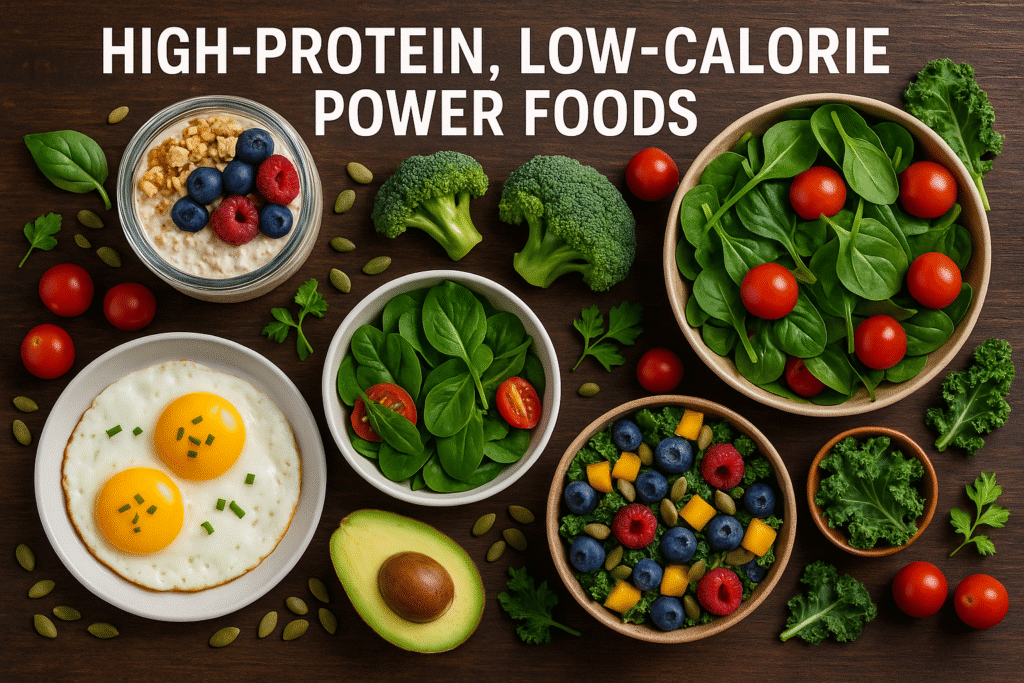
Incorporating the right foods into your diet is paramount for achieving sustainable and healthy weight loss. Experts consistently recommend focusing on nutrient-dense, high-protein, and low-calorie foods that not only support a calorie deficit but also boost your metabolism and keep you feeling full. These are the cornerstones of any successful weight loss meal plan.
When choosing foods for weight loss, prioritize options that offer significant nutritional value without excessive calories. Examples include:
- Eggs: A powerhouse of protein, eggs are incredibly satiating and can help reduce calorie intake later in the day.
- Oats: Rich in soluble fiber, oats promote fullness and can help regulate blood sugar levels, making them an excellent breakfast choice.
- Lentils and other Legumes: These are packed with protein and fiber, making them highly effective for satiety and supporting digestive health.
- Green Vegetables: Broccoli, spinach, kale, and other leafy greens are extremely low in calories, high in fiber, and loaded with essential vitamins and minerals. They allow you to eat large volumes without adding significant calories.
Clinical studies and expert recommendations consistently highlight these types of foods for their role in facilitating fat loss. For instance, research published by Harvard Health often underscores the importance of a diet rich in whole, unprocessed foods for managing weight and preventing chronic diseases. These effective fat-burning foods are not just about cutting calories; they’re about providing your body with what it needs to thrive.
Learn about healthy eating, portion control, and balanced diet habits from the NIDDK (NIH)
Superfoods That Boost Your Weight Loss Journey
Beyond the everyday healthy staples, certain “superfoods” can give your weight loss journey an extra boost. These foods are often celebrated for their concentrated nutritional benefits, including their ability to enhance fat burning and suppress appetite, making them excellent additions to your diet to burn belly fat.
Consider incorporating these superfoods into your daily routine:
- Chia Seeds: These tiny seeds are loaded with fiber and omega-3 fatty acids. When soaked in liquid, they expand to form a gel, contributing to a feeling of fullness and helping to control appetite. A serving of 1-2 tablespoons can be added to smoothies, yogurt, or oatmeal.
- Berries: Blueberries, strawberries, raspberries, and blackberries are low in calories but high in fiber and antioxidants. Their natural sweetness can satisfy cravings, and their fiber content aids satiety. Aim for a cup of mixed berries daily.
- Avocados: While higher in calories, avocados are rich in monounsaturated healthy fats and fiber. These fats contribute to satiety and can help reduce overall calorie intake throughout the day. A quarter to half an avocado daily can be beneficial.
- Nuts: Almonds, walnuts, and pecans, when consumed in moderation, offer healthy fats, protein, and fiber. They are excellent for curbing hunger between meals. A small handful (about 1 ounce) is a good daily serving quantity.
These superfoods, combined with a balanced approach to eating and regular physical activity, can significantly contribute to your efforts to lose weight fast and healthily. They make the process of adopting the best foods to lose weight both effective and enjoyable.
Targeting Belly Fat: Diets and Strategies That Work
Belly fat, particularly visceral fat that surrounds your organs, is often considered the most stubborn and also the most detrimental to health. Reducing belly fat isn’t just about aesthetics; it’s crucial for lowering your risk of chronic diseases. While spot reduction isn’t possible, specific diets and strategies can effectively target and diminish this persistent fat. Understanding how to lose belly fat fast involves a comprehensive approach that integrates smart food choices, consistent activity, and healthy beverages. Explore CDC’s recommendations on safe and gradual weight-loss methods for long-term health benefits.
To reduce belly fat, focus on a diet to burn belly fat that emphasizes whole, unprocessed foods and limits refined carbohydrates and sugars.
- Protein-rich foods: A higher protein intake helps reduce cravings and boost metabolism, both vital for trimming belly fat.
- Fiber-rich foods: Soluble fiber, found in oats, beans, apples, and citrus fruits, has been linked to significant reductions in belly fat.
- Healthy Fats: Monounsaturated fats (avocados, olive oil) and polyunsaturated fats (nuts, seeds, fatty fish) can help manage appetite and reduce abdominal fat.
Certain drinks can also aid in your quest to burn belly fat. Green tea is rich in catechins, antioxidants that have been shown to boost metabolism and fat burning, particularly around the midsection. Black coffee, without added sugar or cream, can also temporarily increase metabolism. Staying hydrated with lemon water or plain water is essential for overall metabolic function. Read our in-depth guide on Exercise for Weight Loss to pair diet with effective workouts.
Incorporating specific workouts designed to strengthen your core and boost metabolism can further enhance your results. While crunches alone won’t get rid of belly fat, exercises that engage multiple muscle groups and elevate your heart rate are highly effective.
Mini Routine for Core Strength and Metabolism:
- Plank (30-60 seconds): Engages core muscles, improves stability.
- Bicycle Crunches (15-20 reps per side): Targets obliques and upper/lower abs.
- Mountain Climbers (30-60 seconds): A dynamic exercise that boosts heart rate and works the core.
- Russian Twists (15-20 reps per side): Focuses on oblique strength.
Perform this routine 3-4 times a week, combined with consistent cardiovascular exercise. This integrated approach, focusing on effective fat-burning foods and targeted exercises, is the best way to achieve meaningful reductions in belly fat.
Custom Diet Plans for Men and Women
Recognizing that men and women have distinct physiological differences, including varying metabolic rates, body compositions, and hormonal profiles, is crucial for developing an effective weight loss meal plan. A tailored approach ensures that individual calorie needs and macronutrient requirements are met, leading to more sustainable and efficient results. This section delves into creating custom diet plans for men and women, considering these unique biological factors to optimize healthy eating for weight loss.
Generally, men tend to have higher muscle mass and, consequently, a higher basal metabolic rate (BMR) than women. This often translates to men requiring a higher daily calorie intake for weight loss compared to women, even when accounting for similar activity levels.
- Calorie Needs:
- Weight loss diet for men: Typically ranges from 1,800 to 2,500 calories per day, depending on age, activity level, and starting weight. A common starting point for losing weight fast might be around 2,000 calories.
- Weight loss diet chart for female: Generally falls between 1,200 and 1,800 calories per day. A 1200 calorie diet plan is a popular starting point for women aiming for significant weight loss, though it should be carefully monitored.
- Macronutrient Breakdowns (Protein/Fat/Carb Ratios):While specific ratios can vary, a common recommendation for both men and women aiming for weight loss includes:
- Protein: Higher protein intake (25-35% of total calories) is beneficial for satiety and preserving muscle mass during weight loss.
- Fats: Moderate intake of healthy fats (25-35% of total calories) is crucial for hormone balance and nutrient absorption.
- Carbohydrates: Complex carbohydrates (30-50% of total calories) are preferred for sustained energy, with a focus on whole grains, fruits, and vegetables.
Sample Meal Ideas for Both Men and Women:
Breakfast:
- Men: Scrambled eggs (3-4) with spinach, whole-wheat toast (2 slices), and half an avocado.
- Women: Greek yogurt (1 cup) with a handful of berries and a tablespoon of chia seeds.
Lunch:
- Men: Large grilled chicken salad with mixed greens, various vegetables, olive oil dressing, and a side of quinoa.
- Women: Tuna salad (made with Greek yogurt instead of mayo) on whole-grain crackers with cucumber and carrot sticks.
Dinner:
- Men: Baked salmon (6-8 oz) with roasted sweet potatoes and a generous serving of steamed broccoli.
- Women: Lean ground turkey stir-fry with a medley of colorful vegetables and a small portion of brown rice.
Snacks (Optional, choose based on hunger and calorie goals):
- Men & Women: Apple slices with a tablespoon of natural peanut butter, a hard-boiled egg, or a small handful of almonds.
These tailored guidelines provide a robust framework for developing the best diet for weight loss, ensuring that both men and women can achieve their goals through a personalized and effective approach to healthy eating.
7-Day Weight Loss Meal Plans (Including 1200-Calorie Plan)
Embarking on a structured meal plan can significantly simplify your weight loss journey, providing clear guidance on what to eat and when. Our 7-day weight loss meal plans are designed to be affordable, easy to prepare, and effective for those seeking fast and safe weight loss, including a popular 1200 calorie diet plan option. These plans prioritize nutrient density and portion control to help you achieve a calorie deficit without feeling deprived.
Here’s a sample 7-day weight loss meal plan that focuses on healthy, balanced meals, suitable for beginners looking for weight-loss meal plans. Remember to adjust portion sizes based on your individual calorie needs and activity levels. This specific plan is roughly aligned with a 1500-1800 calorie intake, with tips for adjusting to a 1200-calorie plan.
Day 1
- Breakfast: Oatmeal (1/2 cup dry) with berries (1/2 cup) and a sprinkle of nuts (1 tbsp).
- Lunch: Large mixed green salad with grilled chicken breast (4 oz) and a light vinaigrette.
- Dinner: Baked cod (5 oz) with steamed asparagus (1 cup) and quinoa (1/2 cup cooked).
- Snack: Apple (1 medium).
Day 2
- Breakfast: Two scrambled eggs with whole-wheat toast (1 slice) and sliced avocado (1/4).
- Lunch: Leftover baked cod and quinoa.
- Dinner: Turkey chili (1.5 cups) with a small dollop of Greek yogurt.
- Snack: Handful of almonds (10-12).
Day 3
- Breakfast: Greek yogurt (1 cup) with a banana and a tablespoon of chia seeds.
- Lunch: Large vegetable soup (2 cups) with a small whole-wheat roll.
- Dinner: Lean ground beef stir-fry (4 oz) with mixed vegetables (2 cups) and a tablespoon of low-sodium soy sauce (no rice).
- Snack: Cottage cheese (1/2 cup).
Day 4
- Breakfast: Smoothie: spinach, 1/2 banana, 1 scoop protein powder, unsweetened almond milk.
- Lunch: Tuna salad (made with Greek yogurt) on lettuce cups with cherry tomatoes.
- Dinner: Chicken and vegetable skewers (4 oz chicken, plenty of veggies), grilled.
- Snack: Orange (1 medium).
Day 5
- Breakfast: Two hard-boiled eggs with a side of grapefruit (1/2).
- Lunch: Leftover chicken and vegetable skewers.
- Dinner: Lentil soup (1.5 cups) with a small side salad.
- Snack: Rice cakes (2) with 1 tbsp peanut butter.
Day 6
- Breakfast: Whole-wheat pancakes (2 small) with fresh berries (1/2 cup).
- Lunch: Large mixed green salad with chickpeas (1/2 cup) and a light dressing.
- Dinner: Baked salmon (5 oz) with roasted Brussels sprouts (1 cup).
- Snack: Greek yogurt (1/2 cup).
Day 7
- Breakfast: Oatmeal (1/2 cup dry) with a sprinkle of cinnamon and a small apple.
- Lunch: Leftover salmon and Brussels sprouts.
- Dinner: Chicken breast (4 oz) baked with herbs, a large serving of steamed green beans.
- Snack: Small handful of walnuts.
Hydration Reminders: Drink at least 8-10 glasses of water daily. Consider having a glass before each meal.
Portion Guidance for 1200-Calorie Plan: To adjust this to a 1200-calorie diet plan, reduce portion sizes by roughly 25-30% for most meals, skip one snack, and choose leaner protein sources. For instance, have 3 oz of chicken instead of 4 oz, and use smaller amounts of grains. Always consult a healthcare professional or registered dietitian before starting a restrictive calorie plan.

Proven Weight Loss Rules and Modern Hacks
Beyond structured meal plans and dietary guidelines, certain rules and modern hacks have gained traction for their effectiveness in promoting weight loss. These strategies often leverage metabolic principles or behavioral psychology to enhance fat burning and make the journey toward losing weight fast more manageable. Understanding and implementing these proven weight loss tips and tricks can significantly impact your results, contributing to your overall best diet for weight loss strategy.
One of the most discussed contemporary methods is the 30/30/30 rule for weight loss. This rule, popularized by fitness experts, suggests consuming 30 grams of protein within 30 minutes of waking, followed by 30 minutes of low-intensity exercise.
- The Science: The rationale behind the 30/30/30 rule is multifaceted. Consuming protein early in the day helps kickstart your metabolism, promotes satiety, and stabilizes blood sugar, reducing cravings throughout the morning. The 30 minutes of low-intensity exercise (like a brisk walk) immediately after can help your body tap into fat stores for energy, especially if done before consuming a high-carb breakfast. This strategy aims to optimize your body’s fat-burning potential right from the start of your day.
Another popular and intriguing hack is the 3-ingredient coffee hack for weight loss. This typically involves adding specific ingredients to your morning coffee to boost metabolism and promote fat burning. While variations exist, a common version includes:
- Black Coffee: Provides caffeine, a known stimulant that can temporarily boost metabolism.
- Cinnamon: Helps regulate blood sugar levels and can improve insulin sensitivity.
- MCT Oil (Medium-Chain Triglycerides): A type of fat that is rapidly absorbed and converted into energy, potentially aiding in fat burning and satiety.
This hack aims to enhance the metabolic effects of coffee, making it a powerful tool for those looking for effective fat-burning foods and strategies.
Celebrity examples often bring attention to these weight loss routines. For instance, conversations around “how Kelly Clarkson lost weight” frequently highlight the importance of consistent habits, a balanced diet, and sometimes specific dietary principles or supplements, reinforcing that sustainable results come from dedicated effort rather than quick fixes. These modern hacks, when integrated into a comprehensive approach to diet and lifestyle for fat burning, can provide additional support for your goals. Explore our medically supervised Weight Loss Medications including FDA-approved treatments.
Foods and Habits to Avoid
To truly achieve sustainable and healthy weight loss, it’s as important to know what to avoid as it is to know what to embrace. Certain foods and habits can sabotage even the most dedicated efforts to lose weight fast, contributing to weight gain, inflammation, and energy dips. Identifying the unhealthiest foods to avoid and recognizing detrimental behavioral patterns is a crucial step in building your best diet for weight loss.
The #1 unhealthiest foods to avoid are those laden with processed sugar and refined carbohydrates. These include:
- Processed Sugars: Found in sugary drinks (soda, fruit juices with added sugar), candies, pastries, and many processed snacks. These contribute to rapid blood sugar spikes, followed by crashes, leading to cravings and fat storage.
- Refined Carbohydrates: White bread, white pasta, white rice, and most baked goods made with enriched flour. These are stripped of their fiber and nutrients, causing similar blood sugar fluctuations to processed sugars. They offer little satiety and are quickly converted to glucose, which, if not used for energy, is stored as fat.
Beyond specific foods, several habits can impede your progress:
- Emotional Eating: Using food as a coping mechanism for stress, boredom, sadness, or anxiety rather than addressing the underlying emotions.
- Late-Night Snacking: Consuming calorie-dense foods close to bedtime, which can disrupt digestion, lead to poor sleep, and contribute to weight gain.
- Low Sleep: Insufficient sleep disrupts hormones that regulate appetite (ghrelin and leptin), leading to increased hunger and cravings for unhealthy foods. It also impairs metabolism and can lead to reduced physical activity.
To counter these detrimental patterns, focus on healthy replacements and mindful alternatives. Instead of sugary snacks, opt for fruit or a handful of nuts. Replace refined carbs with whole grains like quinoa, brown rice, and whole-wheat bread. Address emotional eating by finding alternative coping strategies such as exercise, meditation, or talking to a friend. Prioritize 7-9 hours of quality sleep each night. By eliminating these obstacles, you pave a clearer path toward finding healthy diet plans for weight loss and maintaining your progress.
Building Your Long-Term Weight Loss Strategy
Achieving rapid weight loss is often a primary goal, but the true measure of success lies in building a long-term weight loss strategy that ensures sustainable results. This involves shifting focus from temporary fixes to creating enduring lifestyle changes that integrate balanced eating, regular fitness, adequate rest, and mental wellness. This holistic approach is the key to maintaining your ideal weight and enjoying overall health.
1. Realistic Goal-Setting and Weekly Tracking:
Set achievable, incremental goals rather than focusing solely on a drastic endpoint. Aim for a healthy and sustainable loss of 1-2 pounds per week. Regularly track your progress, not just on the scale, but also through body measurements, how your clothes fit, and energy levels. This helps in staying motivated and making necessary adjustments to your weight loss meal plan. Consistency in tracking is more important than the intensity of your initial efforts.
2. Promote Balanced Eating and Flexible Meal Planning:
Strict, restrictive diets are often unsustainable. Instead, embrace balanced eating that allows for flexibility while adhering to healthy eating for weight loss principles. This means focusing on nutrient-dense foods for weight loss, but also allowing for occasional treats in moderation. Flexible meal planning can involve preparing healthy meals in advance, but also having quick, healthy options available for busy days. This approach makes your diet less about deprivation and more about a manageable lifestyle.
3. Integrate Fitness, Rest, and Mental Wellness:
Weight loss is not solely about diet; it’s a synergistic combination of multiple factors.
- Fitness: Regular physical activity, including both cardiovascular exercise and strength training, is essential. It burns calories, builds muscle, boosts metabolism, and improves mood. Find activities you enjoy to ensure long-term adherence.
- Rest: Adequate sleep (7-9 hours per night) is crucial. Poor sleep can disrupt appetite-regulating hormones and increase cravings, undermining even the best diet for weight loss efforts.
- Mental Wellness: Stress and emotional well-being significantly impact eating habits. Incorporate stress-reduction techniques like meditation, yoga, or spending time in nature. Developing a positive body image and a healthy relationship with food are also vital for sustainable success.
By weaving these elements into your daily life, you’re not just aiming for a quick fix; you’re building a resilient framework for sustained health and wellness. This long-term strategy empowers you to maintain your weight loss and enjoy a vibrant, healthy life.
Conclusion
Embarking on a weight loss journey is a commitment to a healthier, more vibrant you. This ultimate guide has equipped you with the knowledge and strategies to achieve your goals, whether you’re aiming for rapid weight loss or a more gradual transformation. We’ve summarized the best diets for weight loss, highlighted essential foods for weight loss, and unveiled effective fat-burning methods, all underpinned by the principle of a calorie deficit and consistent effort.
Remember that true success lies in fostering healthy, gradual transformation rather than chasing unsustainable speed. The most effective diet for weight loss is one that you can maintain long-term, integrating foods for weight loss that you enjoy and a level of physical activity that fits your lifestyle. Reinforce your motivation with realistic goals, maintain discipline through mindful choices, and prioritize overall lifestyle balance. By combining optimal diet strategies for fat loss with regular exercise and a focus on mental well-being, you are not just losing weight; you are building a foundation for lifelong health and vitality. Embrace this journey with confidence, knowing that every healthy choice moves you closer to a healthier, happier self. Book your Consultation today to get a customized plan that fits your body and goals.
FAQs
Q1: What diet is best for fast weight loss?
Low-carb, high-protein, or intermittent fasting diets are generally considered most effective for fast weight loss due to their ability to create a significant calorie deficit and promote fat burning.
Q2: What fruit burns the most fat?
While no single fruit “burns” fat on its own, grapefruit, berries, and apples are often recommended as part of a weight loss diet due to their high fiber content and metabolism-boosting properties.
Q3: What drink burns belly fat?
Green tea, lemon water, and black coffee (without added sugar or cream) are often associated with aiding belly fat reduction due to their metabolic benefits and ability to promote satiety.
Q4: What is the 30/30/30 rule for weight loss?
The 30/30/30 rule for weight loss involves consuming 30 grams of protein within 30 minutes of waking, followed by 30 minutes of low-intensity exercise. This aims to kickstart metabolism and enhance fat burning.
Q5: How to maintain results after rapid weight loss?
To maintain results after rapid weight loss, gradually increase your calorie intake, stay consistently active, continue to prioritize clean, whole foods, and implement flexible meal planning to ensure long-term sustainability.


