How an Old Parenting Rule Collides With a New Food Environment
Why “Finish Your Plate” Does Not Fit Our Modern World
For hundreds of thousands of years, parents have told their kids to “finish your plate.” It made sense in a time when food was scarce. But in the last 70 years, our food environment has changed drastically. We are surrounded by some of the most addictive, energy dense foods ever known. And that is a big reason why obesity rates have soared to about 70 percent.
This shift has happened faster than our biology can adapt. Human hunger cues evolved in environments where famine was common and calories were precious. Today, those same instincts exist, but the environment around us is overflowing with foods engineered to override fullness signals. That contrast explains why the old cultural rule no longer fits the reality we live in.
Even in countries that used to struggle mainly with undernourishment, like India, millions of people now face weight issues because our brains are wired to overeat in this abundant food environment.
This means the problem is not lack of discipline. It is biology trying to survive in a setting it was never designed for.
The Radical Act of Throwing Things Away
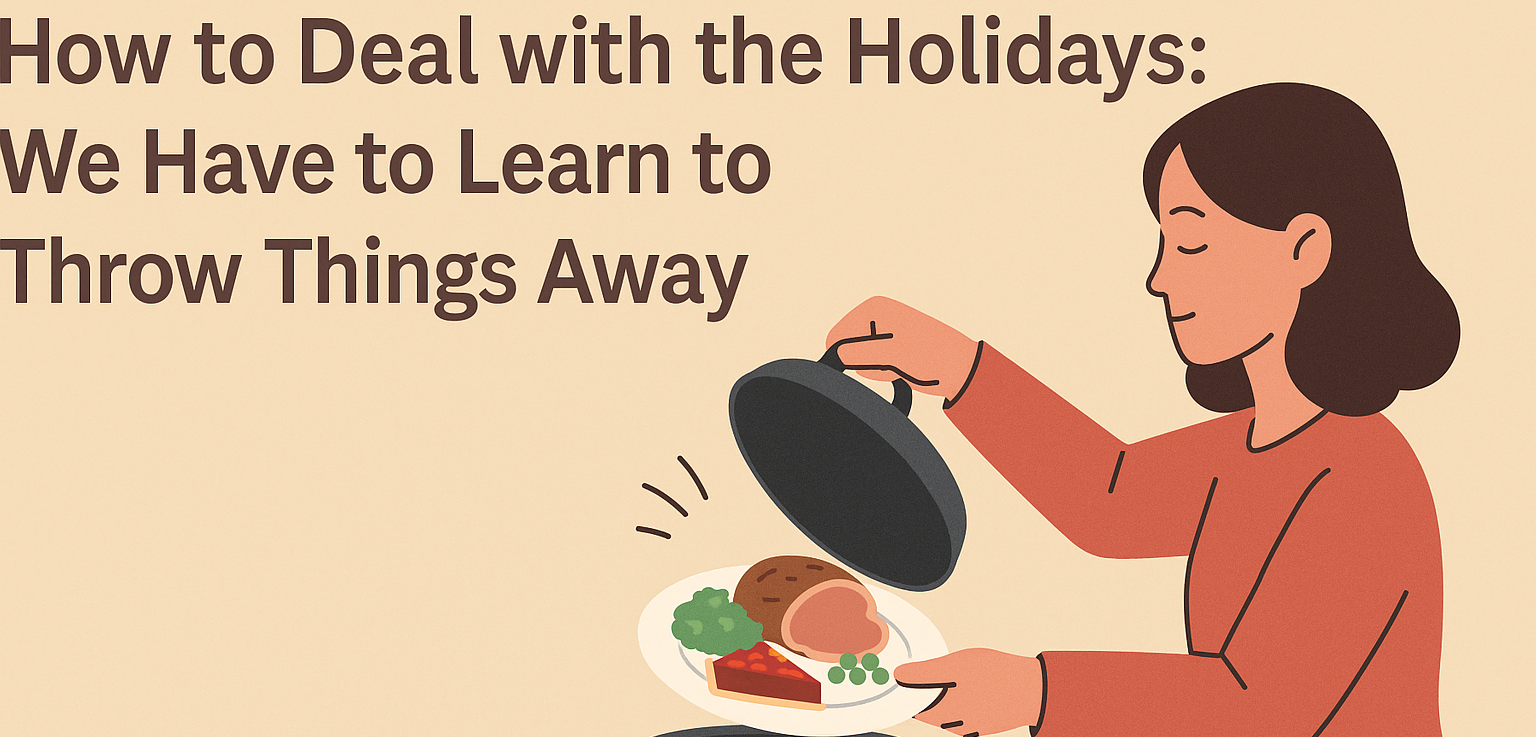
We have to embrace a counterintuitive but powerful idea: it is okay to throw food away. It might feel uncomfortable at first, after all, we have been taught not to waste. But eating those extra bites “so they do not go to waste” does not actually help anyone. It does not feed the hungry; it just contributes to our own health challenges and even higher healthcare costs in the long run.
Why This Feels So Hard
Many people carry generational beliefs about waste, scarcity, and responsibility. For some, leaving food behind triggers guilt. For others, the idea of tossing food feels morally wrong. But when our food landscape is built with abundance, not throwing food away becomes a form of self sacrifice that harms more than it helps.
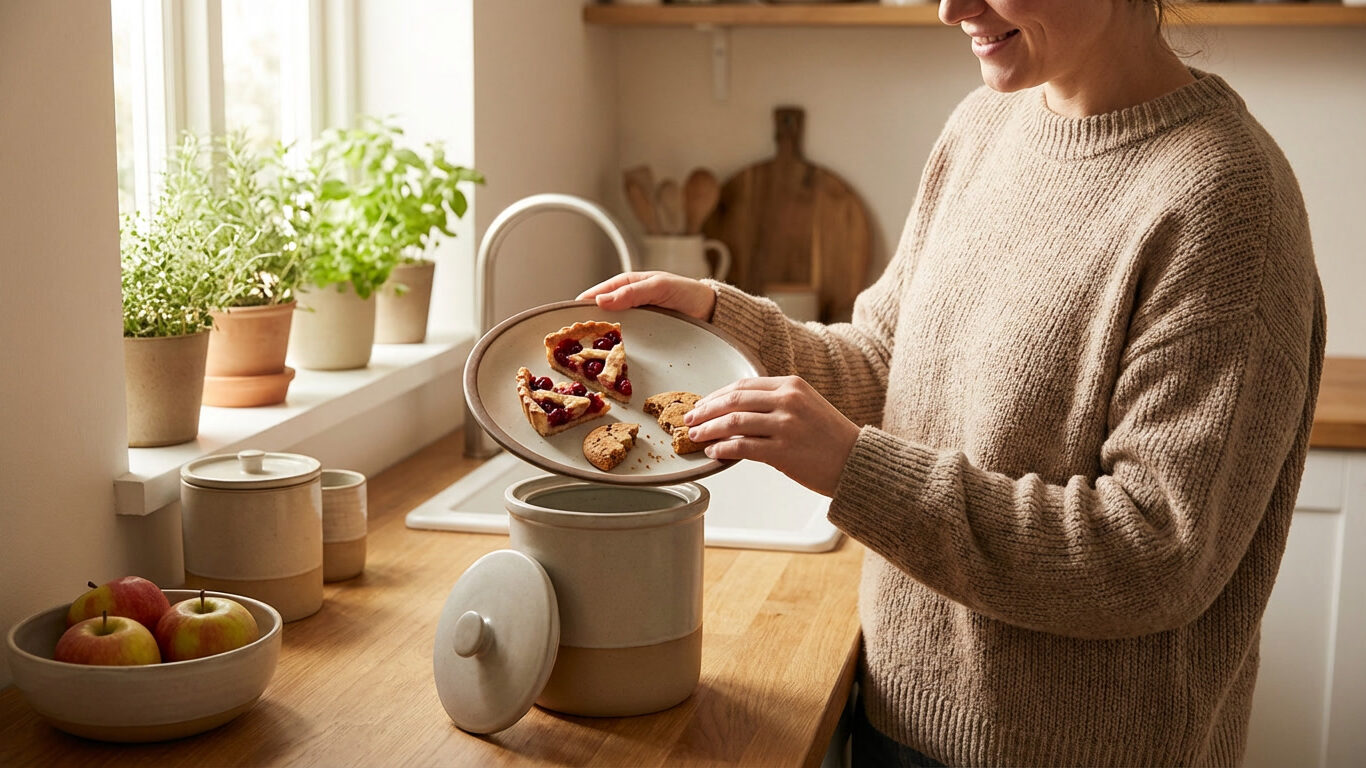
So this holiday season, consider this strategy: enjoy the party, savor what you want, and then let go of the leftovers. If treats come into your home and they are not serving your health goals, it is perfectly fine to toss them. There is no rule that says you have to keep every piece of pie around.
Learning to let go of food is not wasteful when the alternative is harming your health. It is a reframing of responsibility, one that is aligned with long term wellness rather than outdated cultural expectations.
Practicing Self Care in a Modern Food Landscape
In a world overflowing with tempting foods, the best way to care for ourselves is to set boundaries that align with our well being. It is not about guilt or social customs; it is about making choices that support our health. So let us normalize this: it is okay to throw things away and prioritize our own wellness.
Why Boundaries Matter Now More Than Ever
Today’s food environment is engineered for overconsumption. Portions are larger, flavors are more intense, and foods are designed to be irresistible. In this setting, boundaries are not restrictive. They are supportive. They help us stay connected to our goals, our health, and our energy.
Boundaries also help remove emotional pressure. When you know you have permission to discard what does not serve you, food loses some of its power. You get to choose what you keep and what you release.
This is especially important during the holidays, a season filled with traditions, abundance, and emotional eating cues. Giving yourself permission to honor your needs can make the entire season feel lighter.
Happy holidays and take good care of yourselves.


