
Why This Conversation Matters
Hi everyone,
A few of you have asked about headlines linking semaglutide (Ozempic®, Wegovy®) to a rare eye condition called NAION, which stands for non arteritic anterior ischemic optic neuropathy. Here is what I want you to know, in plain language.
These headlines can feel confusing and even alarming, especially when they collide with medications many of you rely on for diabetes or weight management. The goal of this explanation is not to create fear but to offer clarity, context, and reassurance about what we do and do not know.
What NAION Is and Why It Matters
1) What is NAION?
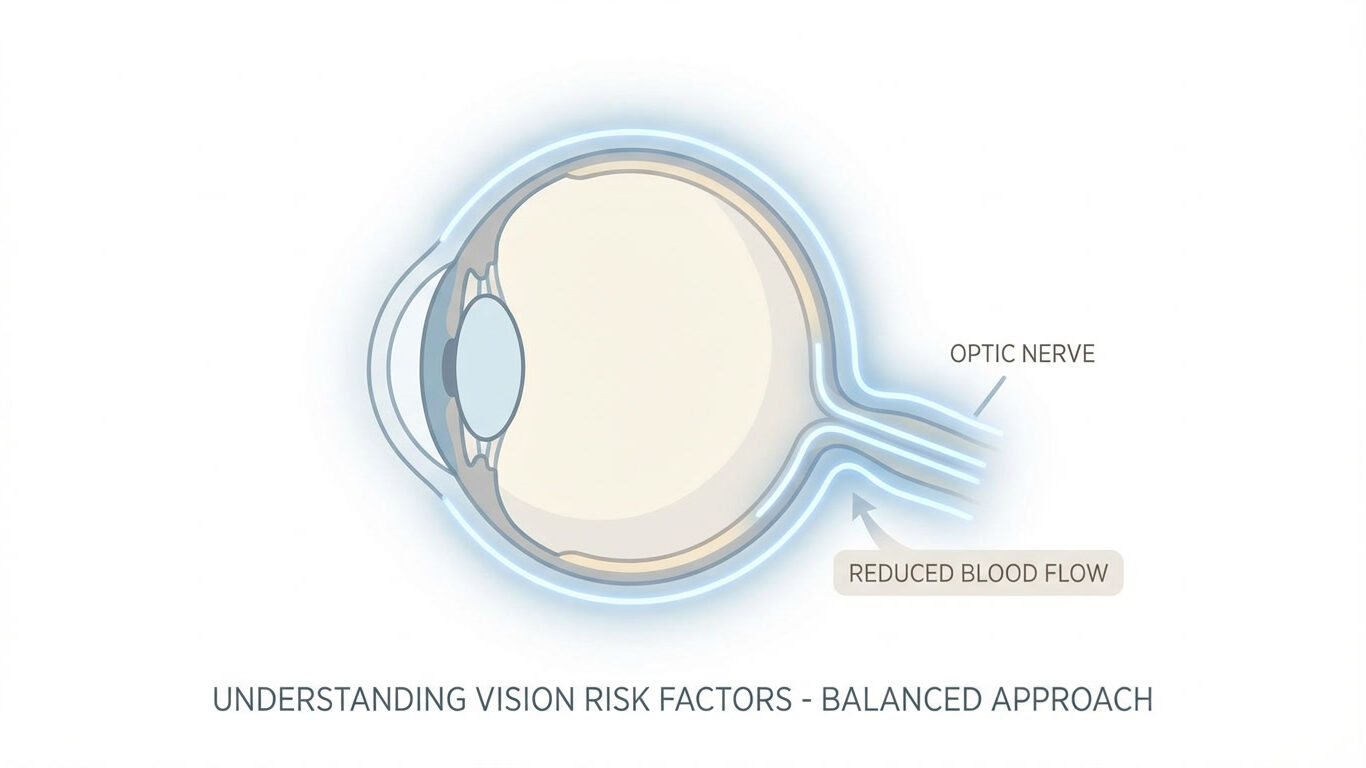
NAION is a sudden, painless loss of vision in one eye due to reduced blood flow to the optic nerve. It is uncommon, but vision loss can be permanent. Risk is higher with conditions like diabetes, high blood pressure, sleep apnea, and high cholesterol. NANOS
This condition has been known long before GLP 1 medications existed, and it appears most often in people with vascular risk factors. Understanding this baseline risk helps us interpret new research through a balanced lens.
What The Studies Actually Show
2) What did new studies actually show?
2024 (Harvard and Mass Eye and Ear): A large clinic based study found more NAION events among people prescribed semaglutide compared with similar patients on other diabetes and weight loss medicines. This was an observational study, so it shows an association, not proof that the drug caused NAION. JAMA Network plus Mass Eye and Ear
2025 (multi database study): A newer, very large analysis across multiple health systems also found an elevated relative risk, but smaller than the earlier report. Results varied across databases, underscoring uncertainty and the need for more research. JAMA Network
Professional society guidance: The American Academy of Ophthalmology and NANOS, which is the neuro ophthalmology society, have told clinicians and patients that this signal does not prove causation, and people should not stop medication without talking to their prescriber. AAO+1
Bottom line so far: Evidence comes from real world reports and observational studies, not randomized trials. There is a possible link, the absolute risk appears low, and we are watching closely as larger, newer datasets come out. JAMA Network+1
These findings are important, but they also fit into a pattern we see with many widely used medications. Early observational signals require careful interpretation and often lead to more refined understanding over time.
Could GLP 1s Lower Other Eye Risks?
3) Could GLP 1s reduce eye risk in other ways?
Remember, improving blood sugar, weight, blood pressure, and cholesterol generally reduces vascular risk over time, including risks that affect the eyes. This is part of why we use GLP 1s in the first place. That said, rapid metabolic changes can sometimes unmask eye issues early on, so monitoring matters. AAO
This dual perspective is important. These medications have proven benefits, and like any therapy, they require awareness and thoughtful follow up.
Who Might Be at Higher Risk
4) Who might be at higher risk?
People with diabetes, vascular risk factors such as hypertension and hyperlipidemia, sleep apnea, and those with a history of optic nerve crowding are the same groups we already watch closely for NAION, regardless of medications. Some analyses suggested higher risk in men and in those with hyperlipidemia, but findings are not consistent across all datasets. JAMA Network
This list is not new. These groups have always been at higher risk for NAION, which is why interpretation requires nuance.
Symptoms That Require Urgent Attention
5) Symptoms to watch for, seek care now, not later
Sudden blurry or dim vision in one eye
A dark or missing area in your field of vision
Vision changes that develop over hours to days, often painless
If you notice these, call an eye doctor urgently or go to the ER. Do not wait for it to clear up. NANOS
Whether You Should Stop Your GLP 1
6) Should I stop my GLP 1?
Please do not stop on your own. The decision is individual and should weigh your personal risks and benefits. For most of our patients, the health benefits remain substantial, and we continue therapy with appropriate monitoring. If your eye doctor ever suspects NAION, we will coordinate closely on next steps. AAO+1
How We Approach This Together
7) How we reduce risk together, our clinic’s approach
Go slow when needed. Dose and titration are personalized, every BODY is different.
Steady habits. Protein intake, hydration, sleep, and blood pressure or lipid control all matter.
Regular check-ins. Tell us promptly about any vision changes, severe headaches, or neurologic symptoms.
Stay with legitimate medication sources. Avoid compounded or counterfeit products advertised online. Counterfeit semaglutide has been reported in multiple countries. Reuters
Quick FAQ
Is this in randomized trials?
Not so far; the signal comes from post marketing or observational data. That means we cannot say GLP 1s cause NAION, only that there is a reported association we are evaluating. JAMA Network+1
How rare is NAION?
Uncommon overall. Estimates in the general population are roughly a few per 100,000 people per year, with higher rates in older adults and those with vascular risks. JAMA Network
What is new since the first headlines?
Larger, multi system analyses suggest the risk, if present, may be smaller than initially reported, and results are not uniform across data sources. Research is ongoing. JAMA Network
My Perspective As Your Clinician
My take as your clinician:
I will not categorically rule out GLP 1s for any group based on current evidence. We will individualize care, monitor closely, and adjust if needed. If you are worried, or notice any sudden vision change, reach out right away. We are here, we are listening, and we will navigate this together.


