

Get the essential facts on Ozempic (semaglutide) for chronic weight management. Learn how it works, the 10-15% weight loss results to expect, safety considerations, and the steps to get started with treatment.
Table of Contents
- Introduction
- How Ozempic Works for Weight Loss
- Expected Weight Loss Results: Timelines and Clinical Outcomes
- Long-Term Management and Safety
- Navigating Access and Prescription Process
- Conclusion
- FAQs
Introduction
The challenge of achieving and maintaining a healthy weight is fundamentally a biological one, driven by complex hormonal and metabolic signals. Traditional approaches, often reliant solely on dietary restriction and exercise, frequently fail because they do not address the powerful underlying mechanisms that regulate appetite and fat storage.
Ozempic (semaglutide) represents a significant shift in medical strategy. Initially developed for type 2 diabetes, this medication has been clinically validated as a potent tool for chronic weight management. It offers patients the hormonal leverage necessary to quiet persistent hunger signals and restore metabolic balance.
This comprehensive guide is designed to provide clear, authoritative answers. We will explore the precise mechanism behind how Ozempic works for weight loss, delineate the expected weight loss results over defined timelines, and outline the necessary steps for navigating the prescription and long-term management process safely and effectively. Our objective is to empower you with the knowledge required to make confident, evidence-based decisions about your health journey.
How Ozempic Works for Weight Loss?
The efficacy of Ozempic is rooted in its ability to modulate key hormones that control appetite and digestion. Its active ingredient, semaglutide, functions as a GLP-1 Receptor Agonist.
The Role of GLP-1 in Metabolic Control
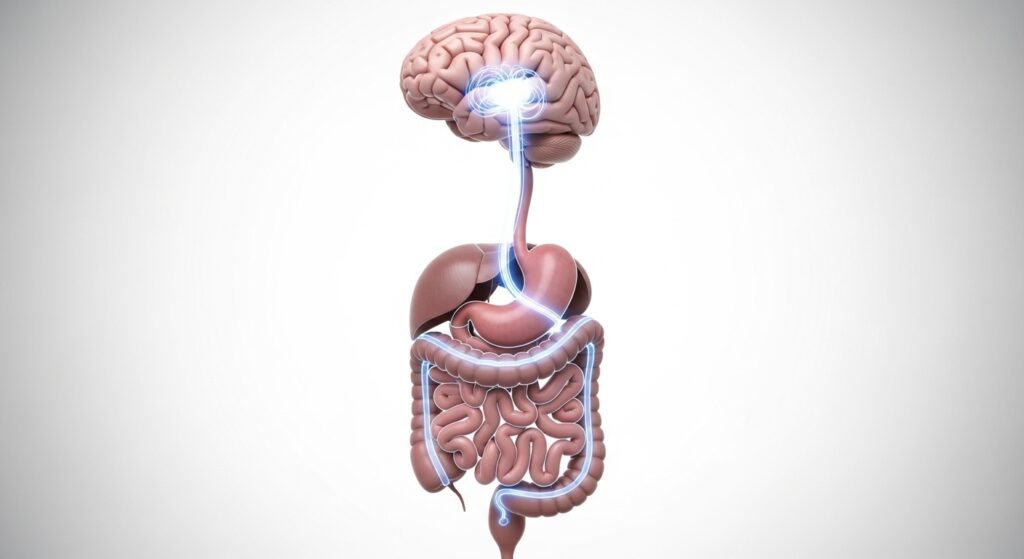
How does Ozempic work? Glucagon-Like Peptide-1 (GLP-1) is a naturally occurring hormone released by the intestines following a meal. This hormone plays several vital roles: signaling satiety to the brain, slowing gastric emptying, and stimulating insulin secretion. Ozempic is engineered to mimic and significantly enhance these actions, providing a therapeutic effect that exceeds the body’s natural GLP-1 response.
This sustained biological influence is precisely how Ozempic works for weight loss, enabling a natural, consistent reduction in caloric intake.

Central Appetite Suppression: Restoring Satiety
The primary driver of weight loss on semaglutide is its effect on the brain’s appetite regulation centers, specifically the hypothalamus. By binding to GLP-1 receptors, Ozempic achieves two critical objectives:
- Reduced Hunger Drive: It attenuates the intense physiological signals of hunger and desire for food, often described by patients as silencing the perpetual “food noise.”
- Enhanced Satiety: It strengthens the feeling of fullness and satisfaction, allowing patients to consume smaller portions while feeling appropriately nourished.
This hormonal recalibration moves the focus from constant willpower to physiological ease, making adherence to a healthy, reduced-calorie diet significantly more achievable.
Peripheral Effects: Slowing Gastric Emptying
A secondary, yet crucial, mechanism occurs in the gastrointestinal tract. Ozempic slows the rate at which the stomach empties its contents into the small intestine (gastric emptying).
- Prolonged Fullness: When the stomach empties slowly, the feeling of fullness is extended, naturally reducing the frequency of snacking and subsequent meal sizes.
- Glucose Regulation: This controlled release of nutrients into the bloodstream leads to smoother, more stable post-meal blood sugar levels. While originally designed to manage diabetes, this effect further supports metabolic health in all users.
The combination of central appetite control and peripheral digestive moderation provides a comprehensive physiological foundation for sustained weight reduction.
Expected Weight Loss Results: Timelines, Milestones, and Clinical Data
Setting realistic expectations is paramount to success. Weight loss on Ozempic is a process of gradual dose escalation (titration), leading to accelerating results as the effective therapeutic dose is achieved.
Phase 1: The Initial Titration Period (Weeks 1-6)
The initial phase involves starting at a lower dose (typically 0.25 mg) for four weeks before the first scheduled increase. This approach is essential for minimizing potential gastrointestinal side effects.
- How Fast Does Ozempic Work? Patients often experience a reduction in appetite within the first few weeks, though significant weight change is delayed.
- 6-week plan Ozempic weight loss results: At the end of six weeks, having completed or started the first dose escalation, patients typically see a modest yet meaningful loss, generally ranging from 3% to 6% of their initial body weight. This period should be viewed as building the foundation for sustained results.
Phase 2: Acceleration and Significant Loss (Months 3-6)
As the dosage approaches therapeutic maintenance levels, the weight loss effect becomes markedly pronounced.
- 3-Month Milestone: By 12 to 16 weeks, it is common for patients to achieve a total body weight reduction in the range of 8% to 10%. This is typically the point at which functional and visual changes become highly apparent.
- 6-Month Milestone and Beyond: Clinical trials spanning 68 weeks demonstrate average weight loss outcomes between 10% and 15% of the starting body weight. This level of loss is clinically significant and is associated with substantial improvements in cardiovascular and metabolic risk factors.
Can I Lose 20 Pounds on Ozempic? Defining Achievable Goals
Yes, losing 20 pounds on Ozempic is a highly achievable and realistic goal for most individuals who are consistent with their treatment plan and integrate supporting lifestyle changes.
For an individual initiating treatment with a body weight of 200 pounds, a 20-pound reduction represents a 10% weight loss—a figure well within the lower end of clinically proven efficacy. Dependent on starting weight and individual metabolic response, this milestone can often be reached within 3 to 6 months of reaching the effective dose. The focus should always remain on percentage of body weight lost, as this correlates most directly with long-term health benefits.
The Value of Objective Assessment: Beyond Before and After
While photographic evidence can be encouraging, progress must be primarily measured through objective metrics. Over-reliance on dramatic Ozempic weight loss before and after pictures can set unrealistic comparative expectations.
We emphasize tracking:
- Clinical Markers: Improvements in blood pressure, lipid profiles, glucose control (A1C).
- Functional Gains: Enhanced mobility, improved sleep quality, and increased energy levels.
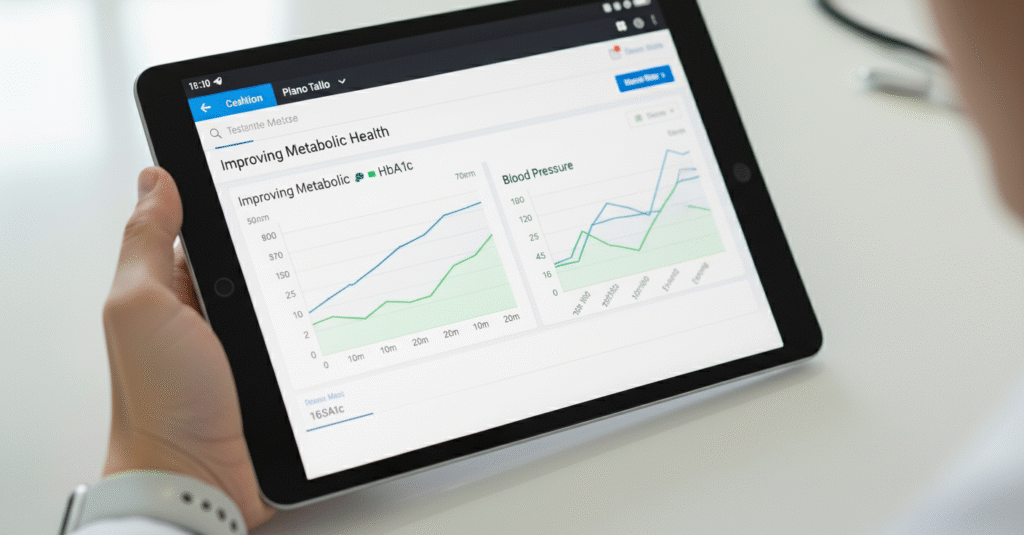
These health improvements are the true indicators of successful, medically managed weight loss.
Long-Term Management: Safety, Maintenance, and Preventing Weight Regain
According to National Library Of Medicine, Obesity is a chronic medical condition. As such, success with Ozempic requires a long-term strategy for management and maintenance.
Safety Profile and Risk Management
Is Ozempic safe? Semaglutide possesses a favorable safety profile in the general population when prescribed appropriately.
- Common Side Effects: The majority of adverse events are gastrointestinal, including nausea, vomiting, diarrhea, and constipation. These are managed primarily through the controlled, gradual dose titration process and typically subside as the body adapts.
- Serious Risks: Rare, but serious, risks include pancreatitis and gallbladder disease. Patients with a personal or family history of medullary thyroid carcinoma (MTC) or Multiple Endocrine Neoplasia syndrome type 2 (MEN 2) are absolutely contraindicated. A thorough pre-screening is non-negotiable.
The Reality of Permanence and Regain
A frequent patient inquiry is: Are the effects of Ozempic permanent? The effects of the drug are not permanent; they persist only while the medication is active in the system.
Do you regain weight after stopping Ozempic? Data indicates that if the medication is discontinued without sustained behavioral modification, patients often experience weight regain. This is due to the body’s powerful compensatory hormonal mechanisms that revert to their pre-treatment state, aggressively attempting to restore the lost weight.
This underscores the core principle of treatment: the time on Ozempic must be utilized to solidify fundamental, sustainable lifestyle habits (nutrition, activity, sleep) that support the achieved weight loss, thereby mitigating the risk of regain.
Sustained Care: Do You Have to Stay on Ozempic Forever?
The necessity of long-term use is a highly individualized discussion. Do you have to stay on Ozempic forever? Not necessarily “forever,” but long-term management is often required to sustain results, mirroring the management of other chronic diseases.
The optimal strategy is determined by tolerance, cost, and the patient’s ability to maintain weight loss through behavioral changes. Strategies include:
- Maintenance Dose: Continuing a lower dose long-term to keep hormonal signals balanced.
- Structured Transition: Carefully tapering off the medication while simultaneously intensifying lifestyle support, ensuring constant monitoring.
Navigating Weight Plateaus
Weight plateaus are a physiological certainty in any sustained weight loss effort. When the scale stalls after several months on Ozempic, it requires a strategic response, not discouragement.
Solutions often involve:
- Nutritional Adjustment: Analyzing macronutrient balance, particularly increasing protein intake.
- Activity Modification: Integrating strength training to boost resting metabolic rate.
- Medical Review: Consulting with your physician to discuss potential dose adjustment or the addition of other complementary therapies.
Navigating Access: The Prescription and Evaluation Process
Obtaining Ozempic requires a formal, comprehensive medical process designed to maximize safety and appropriateness.
Establishing Medical Eligibility
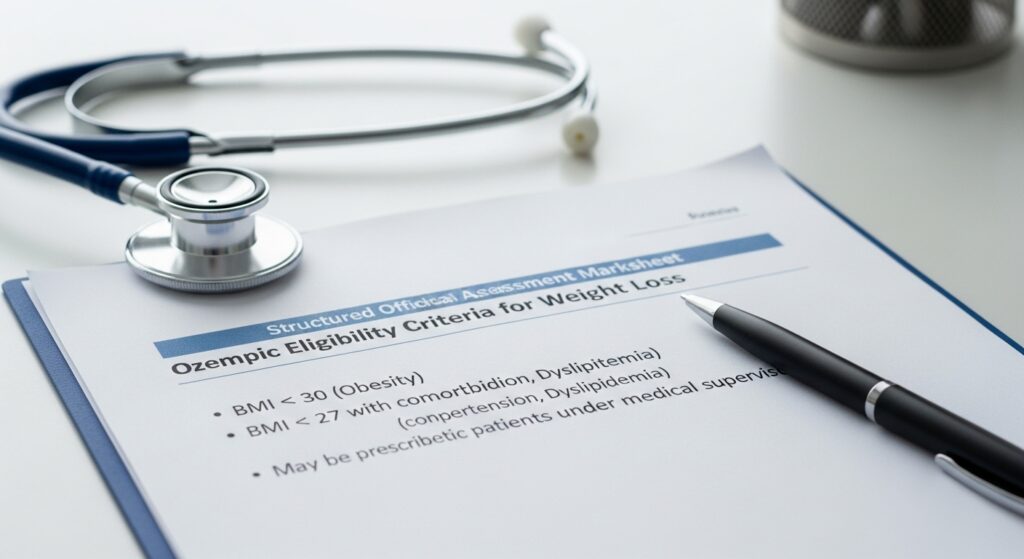
To get prescribed Ozempic for weight loss, you must meet clinical guidelines:
- A Body Mass Index (BMI) of 30 or higher (Obesity).
- A BMI of 27 or higher (Overweight) accompanied by at least one weight-related comorbidity (e.g., hypertension, dyslipidemia).
- Can I take Ozempic without diabetes? Yes, the drug is frequently used in non-diabetic patients with obesity; however, this requires heightened safety oversight.
Preparing for the Consultation:How to Secure a Prescription
The objective is to present yourself as a committed, informed candidate. What to say to get your doctor to prescribe Ozempic? Focus on providing a complete medical narrative:
- Detail Past Supervised Efforts: Document previous, non-pharmacological weight loss attempts (dietitian programs, structured exercise). This demonstrates medical necessity.
- Highlight Comorbidities: Clearly articulate any existing health risks directly linked to your weight (e.g., joint deterioration, early signs of metabolic syndrome).
- Express Adherence Commitment: State clearly that you understand the medication is not a solo solution and you are prepared to embed the required nutritional and activity changes into your routine.
Financial Access and Caution Regarding Compounding
The cost of branded GLP-1 therapy can be prohibitive. Insurance coverage varies widely.
- Cost Management: Patients should explore manufacturer discount cards, patient assistance programs, and confirm coverage details with their specific insurer.
- The Compounding Risk: We must caution explicitly against seeking unverified, compounded, or unauthorized versions of semaglutide. The FDA has issued warnings regarding purity and safety risks associated with these sources. Your safety and health require obtaining your prescription solely from a licensed pharmacy under the direct guidance of your medical provider.

Conclusion
Ozempic is a scientifically robust tool that addresses the biological barriers to weight loss. When used within a professional, integrated care model, it can support clinically significant results, including 10–15% body weight loss, profound metabolic improvements, and the achievement of milestones like losing 20 pounds.
Success requires a thoughtful, strategic approach: treat Ozempic as a powerful component of a comprehensive health plan, commit to the parallel work of behavioral change, and maintain an ongoing partnership with a trusted medical specialist.
Your path to sustainable weight and metabolic health begins with an informed decision and a professionally managed process. We encourage you to seek a medical consultation to assess your eligibility and develop a personalized, evidence-based treatment strategy.
FAQs
Q1: How fast can I expect results?
A: You will notice reduced hunger in the first few weeks. Measurable weight loss is typically observed after 6 weeks, accelerating after 3 months as the dose is optimized.
Q2: Can I lose 20 pounds on Ozempic?
A: Yes. For most eligible patients, 20 pounds of weight loss is an achievable target within 3 to 6 months of reaching a therapeutic dose.
Q3: Do I need to stay on Ozempic forever?
A: Weight management is typically chronic. While duration varies, many require long-term treatment to maintain weight loss. Alternatively, a structured maintenance plan, strongly supported by lifestyle changes, is required to prevent significant regain.
Q4: Will I regain weight after stopping?
A: Regain is highly likely if permanent, sustainable lifestyle changes are not secured during the treatment period, as the body’s natural pro-regain hormones will return once the drug is discontinued.
Q5: What are the primary side effects?
A: The most common side effects are mild to moderate gastrointestinal symptoms (nausea, vomiting, diarrhea, constipation) which typically diminish over time with proper dose titration.


